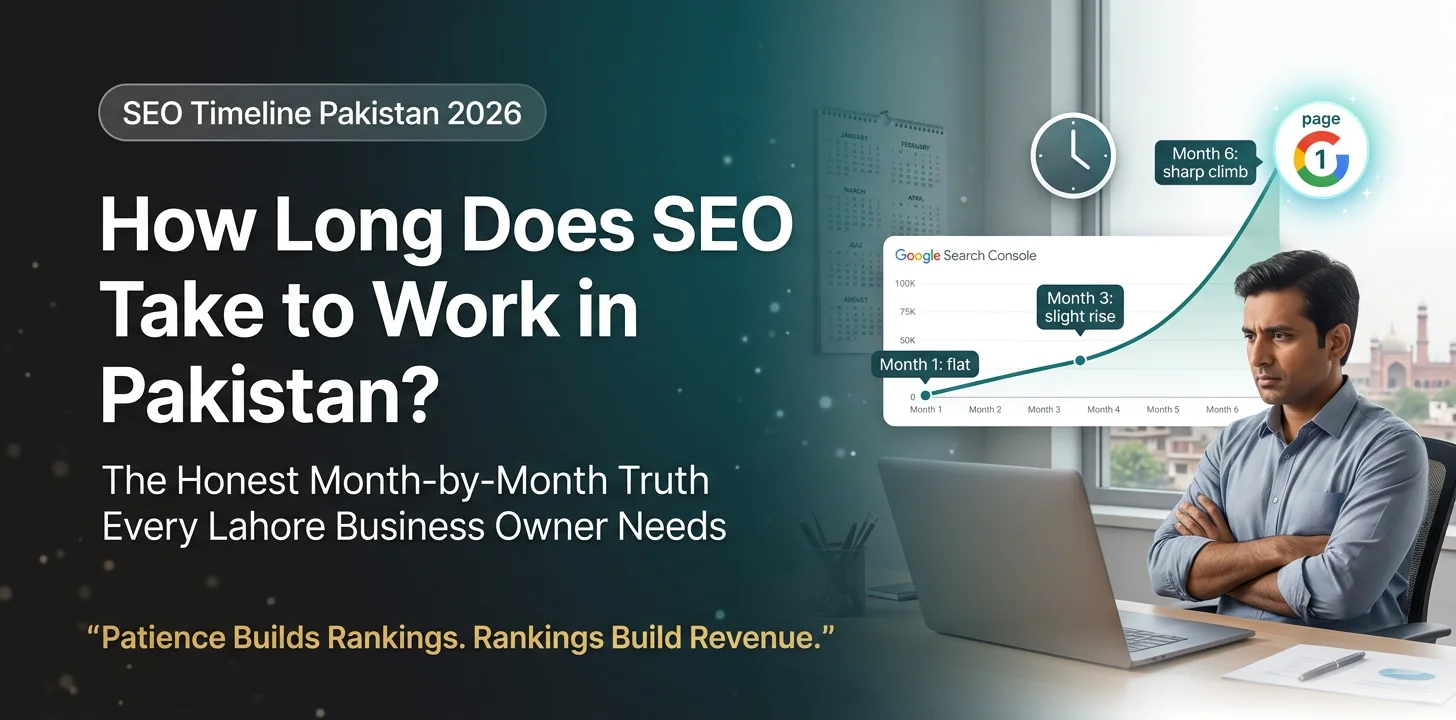
Website speed is a critical factor for both user experience and SEO. A slow website frustrates visitors, increases bounce rates, and negatively impacts search engine rankings. Google considers page speed a ranking factor, meaning a fast-loading site can improve visibility and conversions.
Common Reasons for Slow Website Speed
Before optimizing your website, it’s important to identify the causes of slow performance. Here are some common culprits:
- Large Image Files – Unoptimized images can significantly slow down page load times.
- Excessive HTTP Requests – Too many scripts, style sheets, and third-party resources increase loading time.
- Poor Hosting – A low-quality web host can lead to slow server response times.
- Unoptimized Code – Bloated CSS, JavaScript, and HTML files can hinder performance.
- Lack of Caching – Without caching, browsers must reload elements every time a user visits your site.
How to Improve Website Speed
Here are some actionable steps to optimize your website for faster performance:
1. Optimize Images
Large image files slow down a website. Image compression tools like TinyPNG or ShortPixel can be used to reduce file sizes without losing quality. Also, consider modern formats like WebP for better compression and quality balance.
2. Minimize HTTP Requests
Reduce the number of elements on a page, such as scripts, images, and CSS files. Combining CSS and JavaScript files can help lower HTTP requests and speed up loading times.
3. Choose a Fast Web Host
Invest in reliable hosting. A good web host with SSD storage, a CDN (Content Delivery Network), and optimized servers can make a significant difference in speed.
4. Enable Browser Caching
Caching allows users to load pages faster by storing elements locally on their device. You can enable caching via plugins like WP Rocket (for WordPress) or configure it manually through .htaccess.
5. Use a Content Delivery Network (CDN)
A CDN distributes website content across multiple servers worldwide, reducing latency and improving user load times in different locations.
6. Minify CSS, JavaScript, and HTML
Removing unnecessary spaces, comments, and code can decrease file sizes. Tools like UglifyJS, CSSNano, or Autoptimize can automate this process.
7. Reduce Redirects
Each redirect adds an extra HTTP request, slowing down your website. Audit your site’s redirects and remove unnecessary ones.
8. Monitor Website Performance
Regularly test your website speed using tools like Google PageSpeed Insights, GTmetrix, or Pingdom. These tools provide insights into what needs improvement.
Conclusion: How You Can Improve Website Speed
Improving website speed is essential for better user experience, higher engagement, and improved search rankings. By implementing these strategies, you can ensure your website loads quickly, keeping both visitors and search engines happy.
Brand Builders helps businesses across Pakistan with web development services. To get started, book a strategy session with our team or get in touch directly.
Book your free strategy sessionFrequently Asked Questions
01Why does website speed matter for SEO?
A slow site frustrates visitors and increases bounce rates, and Google treats page speed as a ranking factor.
02What commonly makes a website slow?
Large unoptimised images, too many scripts and style sheets, poor hosting and bloated code.
03What are the quickest fixes?
Compress images, minimise HTTP requests, enable browser caching, use a CDN and minify CSS, JavaScript and HTML.
04How can I test my website speed?
Use tools such as Google PageSpeed Insights, GTmetrix or Pingdom, and check regularly.