
Food Photography for Restaurant Marketing: What Actually Sells the Dish
Two restaurants can serve the same dish and produce completely different results in marketing, purely based on how it is photographed. One photo makes someone hungry and reaching for their phone to order. The other sits in a feed getting scrolled past without registering at all.
Good food photography for restaurant marketing is not primarily about having an expensive camera. It is about understanding what actually makes a photograph of food trigger appetite and desire, and applying that consistently rather than relying on natural talent or luck.
What Makes Food Photography Actually Work
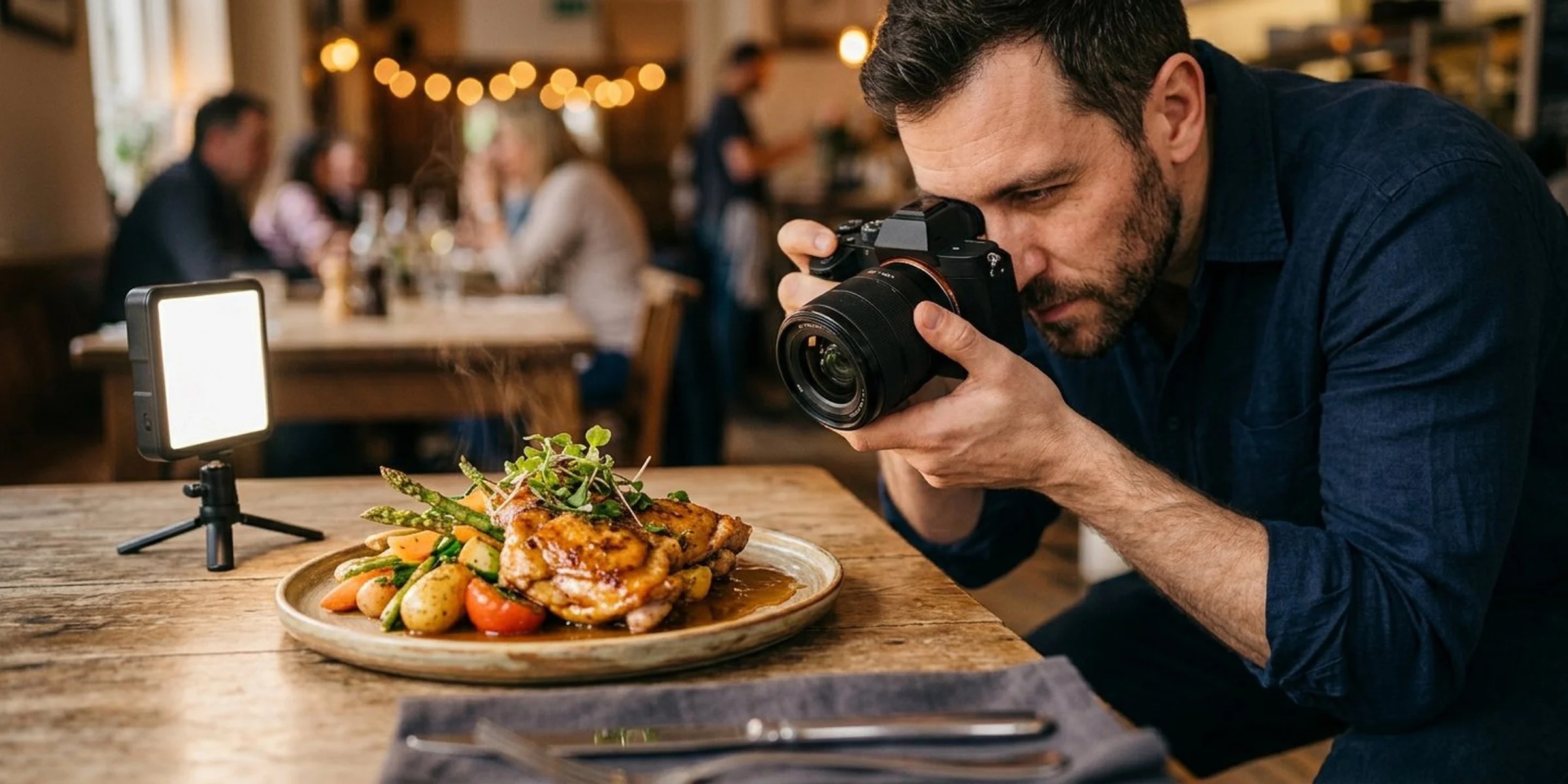
Light is doing most of the work. More than composition, more than the camera used, lighting determines whether a dish looks appetising or flat. Natural window light, or a controlled artificial light source that mimics it, brings out texture and colour in a way that harsh overhead restaurant lighting or a direct flash cannot.
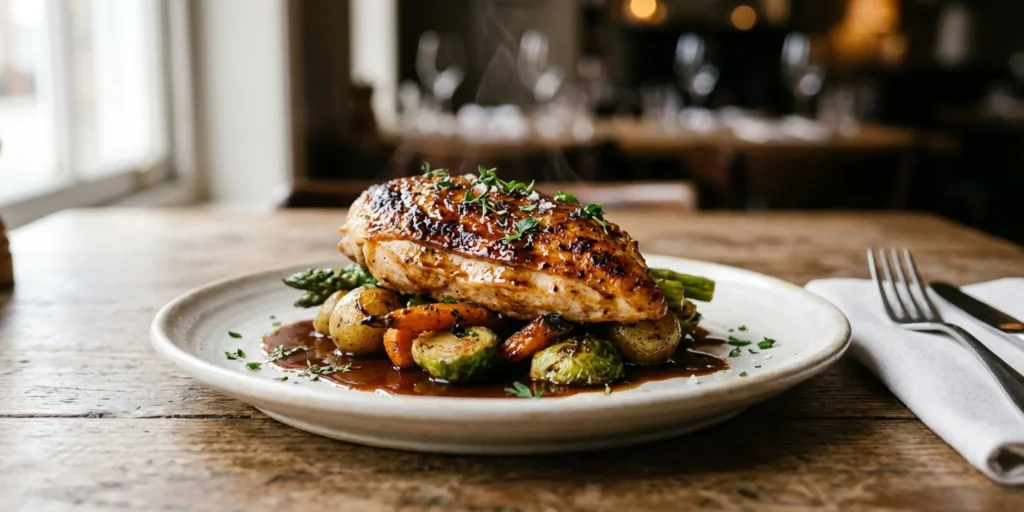
Texture sells the dish. The crisp edge of something fried, the glisten of a sauce, the visible steam rising off something hot. These details are what make a viewer imagine the taste and texture, which is the actual psychological trigger behind food photography converting into orders.
Freshness has to be genuine, not implied. A dish photographed the moment it is plated, before garnish wilts or sauce settles, looks fundamentally different from the same dish photographed five minutes later. This matters more than most restaurants account for when scheduling a photo session.
Context sells the experience, not just the food. A dish shown alone on a plain background communicates less than the same dish shown with a hint of the table setting, a hand reaching for it, or steam rising in a real dining environment. Context helps a viewer imagine themselves in that moment.
Practical Setup for Restaurant Photography
Natural light near a window is the most accessible high-quality light source. Position the dish near natural light rather than under standard restaurant ceiling lighting, which is typically warm-toned and flat in a way that does not flatter food.
Shoot at an angle that suits the dish. A flat overhead angle works well for dishes with visual variety across the plate, such as a spread or a bowl with multiple components visible from above. A low three-quarter angle works better for dishes with height or layers, such as a burger or a stacked dessert, where the side profile tells more of the story.
Keep the background simple. A cluttered background competes with the dish for attention. Plain surfaces, a simple table setting, or a softly blurred restaurant environment all keep focus where it belongs.
Photograph immediately after plating. The window between a dish being finished and it beginning to look tired is short. Coordinating with kitchen timing so photography happens the moment a dish is ready produces noticeably better results than photographing whatever happens to be available.
Use a small reflector or white surface to fill shadows. A simple white card or even a plain white plate positioned to bounce light back into shadow areas softens harsh contrast without needing additional equipment.
Common Mistakes That Undermine Otherwise Good Photos
Overly saturated colour editing. Pushing colours far beyond natural looks artificial and, particularly for food, can actually reduce appetite appeal rather than increase it because it reads as fake to viewers even when they cannot articulate why.
Cluttered or overly busy composition. Too many elements in frame, competing for attention, dilutes the impact of the dish itself, which should be the clear focal point of every image.
Inconsistent style across the account. A feed mixing bright natural light shots with dark moody shots with heavily filtered images looks unplanned and undermines the restaurant’s visual identity. Consistency in lighting style, colour tone and composition across all content builds a recognisable, professional impression.
Photographing every dish identically regardless of what it is. A soup and a burger and a dessert each photograph differently at their best. Applying one rigid formula to every dish on the menu produces adequate but unremarkable results across the board.
Neglecting video entirely. Static photography alone misses a substantial opportunity, since food video, particularly showing pouring, plating or the first bite, consistently outperforms static images on social platforms currently.
Building a Content Library Efficiently
Batch photography sessions rather than one dish at a time. Scheduling a dedicated session covering a significant portion of the menu in one sitting produces a library of content that lasts for months, rather than trying to photograph new dishes as they happen to be ordered.
Photograph in different formats for different uses. Vertical crops for Stories and Reels, square or landscape crops for feed posts, and wider shots that leave room for text overlay for promotional graphics, all from the same shoot.
Include variety beyond hero shots. Close-up detail shots, wider context shots showing the dish on the table, and process shots of preparation all give more content to work with than plated hero shots alone.
Refresh the library periodically. Menu changes, seasonal dishes and simply keeping content current all justify revisiting photography every few months rather than relying indefinitely on one original shoot.
Posts and Updates Keep the Listing Active
The posting feature on Google Business Profile is significantly underused by restaurants in Pakistan, which makes it a straightforward differentiator for those who do use it.
Post new menu items and limited availability dishes. Gives searchers a reason to visit now rather than at some unspecified future point.
Post about events or occasions. Ramadan hours, holiday specials, or any timed offer relevant to the local calendar.
Post regularly rather than sporadically. A profile with weekly activity signals a currently thriving, actively managed business more effectively than one with a single post from months ago.
Questions and Answers Sections Matter More Than They Look
Monitor and answer questions promptly. The public questions and answers area on a listing is visible to everyone browsing it, and unanswered questions sitting for weeks signal a business that is not paying attention.
Seed genuinely useful questions. Common queries about delivery area, parking, whether the restaurant accepts a specific payment method, or dietary options can be added and answered proactively, saving future customers from having to ask directly.
Connecting the Profile to Actual Orders
Link WhatsApp where the platform allows it. For Pakistani restaurants, connecting the messaging button directly to WhatsApp matches how customers actually prefer to place orders, and our guide on WhatsApp marketing for restaurants in Pakistan covers that side of the funnel.
Keep delivery platform links current. If listed on any third-party delivery service, the link should point to the correct, currently active listing rather than an outdated or incorrect one.
Track what the profile actually generates. Simple tracking, such as a specific phrase used only in the profile description or a unique tracked link, gives a rough sense of how much business the listing is genuinely contributing.
Our SEO service manages Google Business Profile optimisation and local search visibility for restaurant clients, and our earlier guide on restaurant marketing in Pakistan covers the broader picture this fits within.
To discuss local search visibility for your restaurant, book a strategy session with our team or get in touch directly.
Google’s own documentation on local business listings is published in the Google Business Profile Help Centre.
Frequently Asked Questions
How important is Google Business Profile for a restaurant in Pakistan?
Extremely important. For most local restaurant searches, the map listing results appear above standard website results, and a well-optimised profile can outrank even the restaurant’s own website for the searches that matter most.
How many reviews does a restaurant need on Google?
There is no fixed number. What matters is having more recent reviews than the restaurants competing with you in local search results, since recency and volume together influence both ranking and how trustworthy the listing appears.
Can a restaurant with no website still be found on Google?
Yes. A restaurant can be found, evaluated and chosen entirely through a well-managed Google Business Profile, since it displays photos, reviews, hours, contact information and often a menu without requiring a separate website at all.
Should restaurants respond to negative Google reviews?
Yes, always. Response rate influences how the platform evaluates listing activity, and future customers read responses specifically to judge how the restaurant handles complaints, which matters more than the negative review itself.
How often should a restaurant update its Google Business Profile?
Regularly. Posting new menu items, updating photos, and responding to reviews and questions on an ongoing basis signals an actively managed business and directly supports both ranking and customer trust.


